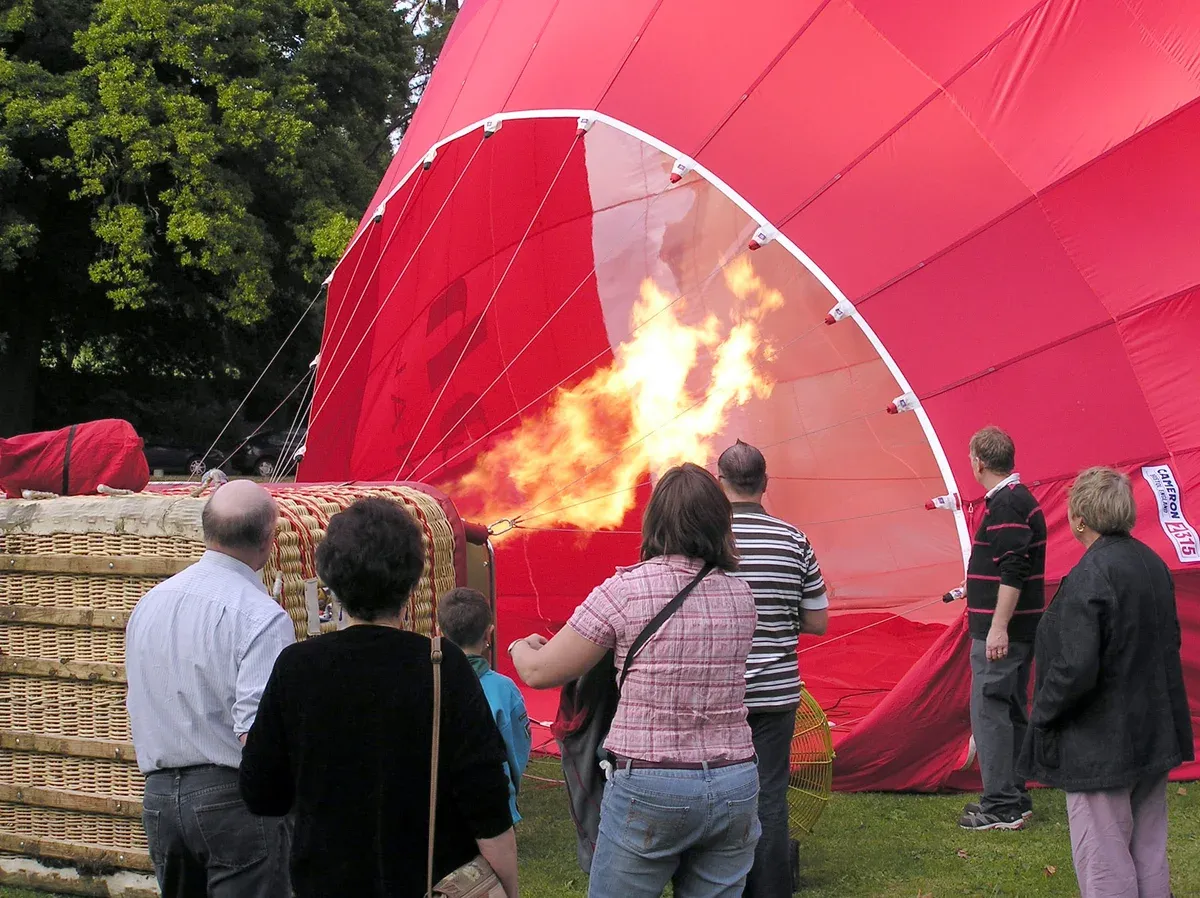
Are hot air balloons safe? Yes, for most people. NTSB data shows 775 balloon accidents on record in the US since 1964, and 70 of those involved fatalities. Fewer than 30 hot air balloon deaths were recorded worldwide between 2008 and 2022.
This guide walks through the accident record, the main causes, the risks for passengers, and the safety rules that apply in Cappadocia, Luxor, East Africa and the United States. It ends with practical advice on choosing an operator and staying safe in the basket. Every rule is tied to the hot air balloon rides you can actually book in each destination.
Are hot air balloons safe?
Yes, hot air ballooning is safe when flights run in good weather with licensed pilots. Balloons fly slowly in calm air, at low speed, and serious accidents are rare. NTSB data from 2022 records 775 US balloon accidents since 1964, with 70 involving fatalities. Between 2008 and 2022 there were fewer than 30 balloon deaths worldwide.
Safety depends mostly on one decision the pilot makes before sunrise: whether the weather allows a flight at all. Operators cancel in wind or poor visibility, and in Colorado Springs about 30% of flights are cancelled for weather. Cancelled flights are rebooked or refunded, and most listings allow free cancellation up to 24 hours before.
Accreditation also matters. After the 2016 Lockhart, Texas crash, the FAA and the Balloon Federation of America set up the Envelope of Safety accreditation, with silver, gold and platinum tiers. It screens pilots for drugs and alcohol and requires more frequent inspections. It is voluntary, so it is worth asking an operator about it. You can compare well-reviewed operators on our list of hot air balloon rides worldwide.
How many hot air balloon accidents happen per year?
A precise yearly figure is not published in a single global record, but the totals give a clear picture. NTSB data shows 775 hot air balloon accidents in the US since 1964, of which 70 involved fatalities. Worldwide, fewer than 30 people died in balloon accidents between 2008 and 2022.
Put those numbers against the volume of flights and the picture is calm. Cappadocia alone can send up to roughly 150 balloons up on a peak morning, and companies such as Rainbow Ryders in the US have flown more than 750,000 passengers since 1983 without major injuries or fatalities. Accidents cluster around a handful of known causes, which pilots train to avoid, and the biggest single safety filter is the go or no-go weather call made before each flight.
For travellers the practical takeaway is simple. Book with an operator that cancels readily, and expect a morning call or a no-fly morning now and then. If your flight is grounded, you get rebooked or refunded.
What causes hot air balloon accidents?
Power lines are the leading cause of serious balloon accidents. Pilots often land near roads, and roads run along power lines, so the approach matters more than anything that happens aloft. The NTSB recorded 11 fatal US balloon accidents between 1997 and 2007, and the causes break down clearly.
The table below lists those causes, so you can see where the real risk sits in a balloon flight.
| Cause | Fatal accidents (NTSB, 1997 to 2007) |
|---|---|
| Contact with power lines | 4 of 11 |
| People holding onto the outside of a rising balloon | 3 of 11 |
| Striking an object on landing (boulder, wall, tree) | 3 of 11 |
| Equipment failure | 1 of 11 |
Most of these happen low down, near the launch or the landing: wires along the road where the balloon comes down, a hard touchdown, or someone clinging to a basket that keeps rising. That is why the pilot picks the landing field with care and why crews brief every passenger on the landing before take-off. Only one of the 11 was an equipment failure. The 2013 Luxor crash, the deadliest on record, began with a leaking fuel line on landing approach, the kind of fault that scheduled inspections are meant to catch.
What are the risks of hot air ballooning for passengers?
The main risks are a bumpy landing, the weather call, and your own behaviour in the basket. Balloons do not steer like planes. The pilot controls height with the burner and reads the wind at different altitudes to choose a landing spot. Landings can bump or drag briefly, which is why everyone crouches and holds the handles on touchdown.
Weather is the main hazard, and pilots cancel in wind or poor visibility. About 30% of flights in Colorado Springs are cancelled for weather, and in Cappadocia the civil aviation authority issues a central go/no-go before sunrise that operators cannot override. If your flight is cancelled it is rebooked or refunded, and most listings allow free cancellation up to 24 hours before.
The rest is on you. Do not lean over the basket edge, secure loose items and wear sturdy shoes. Of the 11 fatal US accidents recorded between 1997 and 2007, three involved people who held onto the outside of a rising balloon and fell, so if the crew asks you to help steady the basket on the ground, let go the moment they tell you.
Is a hot air balloon safer than a plane?
No published statistic compares balloon fatalities per flight with airline fatalities per flight, so there is no straight numerical answer. What is known: balloons fly slowly in calm air, accidents are rare, and the US record since 1964 stands at 775 accidents, 70 of them fatal. The Balloon Federation of America says aviation is the safest mode of transport and balloons the safest mode of aviation, a view BBC Travel reported while noting the federation is not neutral.
Balloon pilots now meet more of the same rules as other commercial pilots. After the 2016 Lockhart crash the FAA adopted a rule that pilots carrying paying passengers must hold a medical certificate, and it raised the training hours needed for certification.
For a traveller the useful framing is this: a balloon has one risk a passenger jet does not, a firm landing in a field, and you prepare for it by listening to the briefing and taking the landing position when the pilot calls it.
Safety rules by destination
Balloon safety is regulated differently in every country, and the rules on the ground translate directly into what you experience on your flight. In the strictest destinations the regulator, not the operator, decides whether balloons fly at all. In others the standards depend more on the company you book with, so checking pilot hours and accreditation pays off.
The table below compares the framework in the main destinations on this site, and what each set of rules means for you as a passenger.
| Where | Who regulates | What it means for you |
|---|---|---|
| Cappadocia, Turkey | Directorate General of Civil Aviation (SHGM) | A go or no-go decision for all balloons before sunrise; surface wind limit around 10 knots; passport details registered before you fly |
| Luxor, Egypt | Egyptian civil aviation authorities | Passenger caps, strict wind limits and morning-only flying after the 2013 accident |
| USA (Albuquerque, Phoenix) | Federal Aviation Administration (FAA) | Commercial pilot certificate, and a medical certificate for pilots carrying paying passengers |
| Maasai Mara, Kenya | Kenya Civil Aviation Authority | Only a handful of licensed balloons fly each morning |
| Serengeti, Tanzania | Tanzania Civil Aviation Authority | Only a few licensed operators |
| Chiang Mai, Thailand | Civil Aviation Authority of Thailand | Balloons inspected every year, each flight coordinated with the airport control tower |
Use this table when you choose where to fly. If you want a single regulator deciding for every balloon each morning, Cappadocia has that system. On a safari flight in Kenya or Tanzania only a handful of licensed balloons fly, so the operator's record and reviews are easy to check. Our destination pages list only flights you can book, with review scores, so you can weigh safety signals alongside price on the hot air balloon rides pages.
Is Cappadocia safe for a hot air balloon ride?
Yes, Cappadocia flies under a strict set of rules written for its crowded sky. The Turkish civil aviation authority, SHGM, licenses operators and pilots, requires a commercial balloon pilot licence plus a Cappadocia area rating, and mandates an annual airworthiness inspection and 100-hour inspections. Passenger liability insurance is compulsory.
The weather call is centralised. Before sunrise SHGM issues a go or no-go for the whole area that operators cannot override, and a pilot can still cancel their own flight on top of that. The surface wind limit sits around 10 knots, about 18.5 km/h, with a limit of about 20 knots aloft. On a peak morning up to roughly 150 balloons fly, which is why the area has its own rating for pilots on top of the licence.
Operators also send each passenger's name, date of birth, passport number and nationality to the civil aviation authority before the flight, so every person in the basket is registered. The most-reviewed option is the Goreme Sunrise flight, rated 4.9 from 6,283 reviews at $161, and you can compare all flights on our Cappadocia page.
Is a hot air balloon ride in Luxor safe?
Luxor carries the deadliest balloon accident on record, and the rules there changed as a result. In 2013 a fire from a leaking fuel line broke out on landing approach and 19 of the 21 people on board died. Flights were suspended nationwide afterwards, and Egypt then tightened the rules for Luxor ballooning with passenger caps, strict wind limits, morning-only flying and closer oversight of operators. An earlier crash in 2009, which injured 16 people, had already grounded Luxor flights for six months.
What that history means for you today is a sharper eye on the operator. Prefer companies with long track records and strong recent reviews, and ask about pilot experience if the listing does not say. Fly at sunrise, as nearly all Luxor flights do, because early mornings give the calmest air before the desert heat builds.
The flights on our Luxor page carry heavy review counts, which is a useful safety signal. The most-reviewed is the sunrise ride over the Nile with transfer, rated 4.8 from 1,820 reviews at $110. Book a morning slot, confirm the operator's cancellation policy, and treat the briefing seriously on landing.
How to choose a safe balloon operator
Choose an operator by four signals: pilot experience, inspection and accreditation, reviews, and willingness to cancel. Start with the pilot. In the US, commercial pilots who carry paying passengers must hold a medical certificate, and Rainbow Ryders pilots have at least 500 flight hours, hold a 2nd Class Airman Medical Certificate and pass drug and alcohol tests. The company has flown more than 750,000 passengers since 1983 without major injuries or fatalities. Ask any operator for pilot hours and accreditation such as the Envelope of Safety scheme.
Reviews are your best window into how an operator actually runs flights. The Morning Balloon Ride with Bubbly and Breakfast in Phoenix, rated 4.8 from 2,128 reviews at $227, and the Albuquerque sunrise ride, rated 4.9 from 1,403 reviews at $189, both carry well over a thousand reviews.
Finally, favour operators that cancel readily in marginal weather. A company that flies in wind to protect its schedule is the one to avoid. Our Hot Air Balloon Rides pages list review counts for every bookable flight so you can compare.
Who should not ride in a hot air balloon?
People with back, knee or hip problems, recent surgery, or a pregnancy should not fly. Landings can bump, and you take the jolt standing, knees bent, holding the handles. If a hard landing would set back your recovery, skip the flight or choose a calmer activity.
Small children are usually excluded too. Most operators set a minimum age around 5 to 8, because a child has to follow the landing instructions. Check the age rule on the listing before you book.
A few other cases deserve thought. If you cannot stand unaided for an hour or more, the basket is difficult. If you panic in confined spaces or at height, talk to the operator before booking. Most listings allow free cancellation up to 24 hours before, so you can change your mind without cost. The same health rules apply on safari flights such as the Serengeti Balloon Safari.
What to do on the flight to stay safe
Listen to the briefing and follow it. Rainbow Ryders lists the passenger precautions clearly: wear sturdy shoes, secure loose items, do not lean over the basket edge, and hydrate the day before. Add the landing posture to that list, crouching with knees bent and holding the handles when the crew calls it, and you have covered the realistic risks.
Before the flight, confirm the operator has your details and turn up on time for the sunrise launch window. Wear layers and closed flat shoes, since dawn is cool on the ground. Keep phones and cameras on a strap and small items in zipped pockets.
During the flight, keep hands and feet inside the basket, hold cameras with a strap, and let the pilot handle everything else. If you book one of the Chiang Mai or Colorado Springs flights, the same rules apply everywhere. The ride itself is calm. The briefing exists for the landing, and passengers who follow it almost always step out with nothing worse than a story.
Frequently Asked Questions
What are the odds of a hot air balloon accident?
Low. NTSB data records 775 US balloon accidents since 1964, with 70 involving fatalities, and fewer than 30 deaths worldwide between 2008 and 2022. Rainbow Ryders has flown more than 750,000 passengers since 1983 without major injuries or fatalities.
What's safer, a plane or a hot air balloon?
No reliable statistic compares the two directly. Balloons fly slowly in calm air and accidents are rare, while commercial aviation is heavily regulated. A balloon adds a bumpy landing risk, which you manage by following the briefing.
What are the risks of hot air ballooning?
The main risks are bumpy landings, power lines near landing sites, and weather. Pilots cancel in wind or poor visibility, and about 30% of Colorado Springs flights are cancelled for weather. Cancelled flights are rebooked or refunded.
How many hot air balloon accidents per year?
A single global yearly figure is not stated. The totals are 775 US accidents since 1964 with 70 fatalities, and fewer than 30 deaths worldwide between 2008 and 2022.
Are hot air balloons safe in Cappadocia?
Yes. SHGM licenses operators and pilots, requires annual and 100-hour inspections and compulsory insurance, and issues a central go/no-go before sunrise that operators cannot override. Compare flights on the Cappadocia page.
Are hot air balloons safe in Africa?
Yes, with a licensed operator. Maasai Mara pilots are licensed by the Kenya Civil Aviation Authority and Serengeti pilots by the Tanzania Civil Aviation Authority, only a few balloons fly each morning, and the Serengeti Balloon Safari is rated 4.9 from 3,368 reviews.
Who should not ride in a hot air balloon?
People with back, knee or hip problems, recent surgery, or a pregnancy should not fly because landings can bump. Most operators also set a minimum age around 5 to 8.
Source: BBC Travel, Wikipedia: Hot air ballooning, Wikipedia: 2013 Luxor hot air balloon crash, Above Cappadocia, Rainbow Ryders.